
Bridges of Care in Northwest Colorado
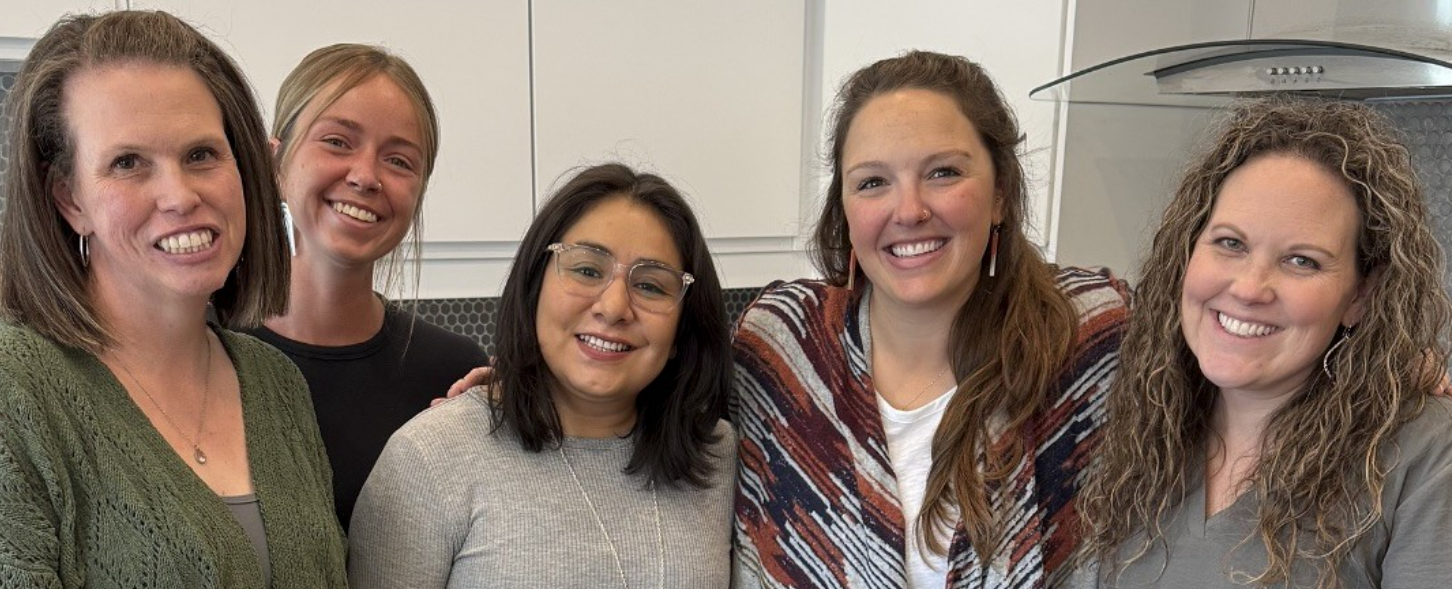
Health Partnership Serving Northwest Colorado serves as a vital connector—linking individuals, families, and entire communities to the resources they need to thrive. As a nonprofit whose mission is to compassionately connect people to health and well-being resources, the organization plays a unique and deeply relational role across Routt, Moffat, and Rio Blanco counties, with additional outreach in Grand and Jackson counties. Their work is driven by a simple but powerful belief: people thrive when they are supported by strong relationships, accessible services, and communities that understand one another.
Health Partnership provides all services at no cost, funded entirely through state, federal, and grant support. Their teams support residents with everything from general and clinical care coordination to behavioral health navigation, recovery peer support, high-fidelity wraparound services for youth, and healthcare education and insurance enrollment. The organization also plays a significant regional role by hosting collaborative meetings, behavioral health provider gatherings, and community impact initiatives that bring local leaders and service systems together to address the needs of their rural communities.
Much of their work focuses on bridging gaps—geographical, economic, cultural, and relational. In rural areas, poverty often remains invisible to those who don’t experience it directly. In places like Steamboat, where wealth is more visible than hardship, it can be easy to overlook the challenges faced by residents living outside city centers or navigating crises behind closed doors. Health Partnership acts as a connector across those divides. They maintain Yampa Valley Resources, an extensive online directory of more than 200 community supports. They distribute flyers, postcards, magnets, stickers, and even coffee sleeves across local restaurants, bars, libraries, and community agencies to ensure that everyone, regardless of income or social circle, knows how to access help. They partner with organizations countywide to share information, highlight emerging needs, and reduce duplication so that resources reach the people who need them most.

This commitment to connection is also why COPE (the Cost of Poverty Experience) has become such a meaningful part of their work. Health Partnership has hosted several COPEs over the past few years, and each event strengthens understanding in profound ways. COPE offers community members a chance to step into real-life scenarios faced by individuals living in poverty. Even seasoned professionals—case managers, crisis response workers, and social service staff—leave with a changed perspective. One social worker, who works daily with individuals in crisis, said she was frustrated from the moment the simulation began until the moment it ended. Even with her professional experience, the simulation helped her understand barriers in a new way. That shift is exactly the impact Health Partnership hopes for.
Many residents in the region don’t realize poverty exists within their own neighborhoods or have narrow assumptions about what struggle looks like. Through COPE, participants experience the stress, constant decision-making, and exhaustion of survival mode. Leaders and donors who attend often walk away recognizing that the solutions they once imagined—like assuming neighbors will share a coupon or tip—do not reflect the reality of people managing food insecurity, medical debt, or chronic instability. COPE helps bridge these divides by grounding people in empathy and shared understanding. It aligns closely with Health Partnership’s mission by building awareness, inspiring collaboration, and strengthening the collective resolve to support one another.
COPE has also sparked new connections for the organization. After the most recent event, a local family foundation reached out, wanting their staff to experience COPE. While their group was small, it opened conversations about combining training with other organizations or boards to expand participation. Other organizations have also expressed interest in hosting or partnering, which has helped expand the reach and impact of the work.
Health Partnership’s emphasis on building relationships across economic and social lines is evident in all aspects of their programming, especially their approach to their participation in the National At the Table event. When hosting conversations about adversity and lived experience, they intentionally invited a diverse group of participants and leaders. Speakers included staff members with lived experience as well as community members facing challenges such as immigration obstacles, domestic violence, disabilities, or child custody crises. They asked the speakers who they would like to hear their stories and set out to invite guests with intention. Guests included hospital executives, nonprofit directors, law enforcement leaders, and other decision-makers. Those gatherings created powerful moments of understanding—leaders listening deeply, storytellers gaining new platforms, and community members connecting with one another in meaningful ways. Some speakers were later invited to share at additional events, demonstrating that genuine relationships lead to ongoing impact.
The organization’s commitment to strengthening community relationships also appears in their initiatives for the coming years. One of the most significant efforts underway is the community-wide partnership effort, HOPE Initiative, which stands for Helping Others Through Peer Engagement. Designed in response to the region’s ongoing mental health and suicide crisis, the program will emphasize prevention, intervention, and postvention, using peer-led support to address gaps in behavioral health care. In an area where therapy services are limited, expensive, or difficult to reach, peer support offers a more accessible and community-rooted solution.
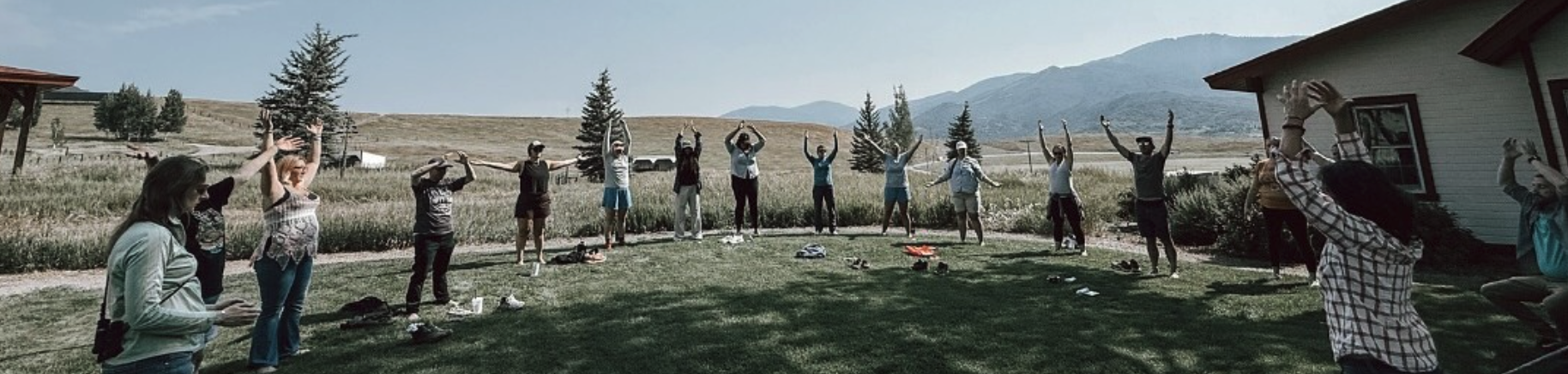
They are also focusing on supporting men in traditional economies who are facing major transitions, particularly with mine closures affecting long-standing employment. Many of these individuals have worked in the same industry for decades and struggle to navigate identity shifts, economic change, and mental health needs. Health Partnership is actively exploring ways to support this group through both direct services and collaborative partnerships.
Throughout all these efforts, the core of Health Partnership’s approach remains unchanged: bring people together, break down barriers, and center lived experience. Their work is not just about providing services; it is about creating a community where resources are visible, leadership is inclusive, and relationships are the foundation of strong, healthy systems.
As they look toward the future, they plan to expand COPE, At the Table events, and collaborative opportunities with statewide and regional partners. They hope to bring these experiences to conferences, leadership gatherings, and other spaces where cross-sector voices can come together to learn, reflect, and act.
Health Partnership Northwest Colorado is showing what community transformation looks like—not through isolated programs, but through intentional connection. By listening deeply, partnering widely, and elevating voices with lived experience, they are helping build a region where every person, regardless of income or background, has a place at the table and a path toward well-being.
Learn More
At Think Tank, we believe lasting change begins with understanding—and with bringing people together across lines of experience, income, and perspective. Our Cost of Poverty Experience (COPE) helps communities and organizations listen to and learn from individuals who have lived through poverty, strengthening empathy and equipping participants with practical tools to create meaningful change.
If you’re interested in hosting COPE or want to explore how an At the Table event can help your community build relationships, elevate lived experience, and spark cross-sector connection, we’d love to talk.
Contact Think Tank to learn more or bring one of these powerful experiences to your organization.