
Poverty, Systems, and Lived Experience: Why Understanding All Three Matters
Poverty is often explained as a personal shortcoming. It is framed as a lack of effort, motivation, or responsibility. This way of thinking is familiar, but it misses the bigger picture. Poverty is shaped less by individual choices and far more by the systems that govern access to opportunity. To understand poverty clearly, we have to look at how systems operate and listen closely to the people who experience their impact every day.
Too often, poverty is reduced to an income level or a statistic. While these measures help describe scale, they fail to capture daily reality. Poverty shows up as unstable housing, unreliable transportation, limited healthcare access, and constant tradeoffs between basic needs. These challenges rarely exist in isolation. When one system fails, others tend to follow, creating a cycle that becomes increasingly difficult to break.
Systems play a powerful role in shaping outcomes. Education, employment, healthcare, housing, and public benefits are interconnected, yet many were not designed with flexibility or equity in mind. Rules that seem neutral on paper can create real barriers in practice. A missed shift due to illness, a lack of childcare, or a complicated application process can quickly spiral into larger consequences. Over time, these barriers reinforce one another, limiting options and narrowing pathways forward.
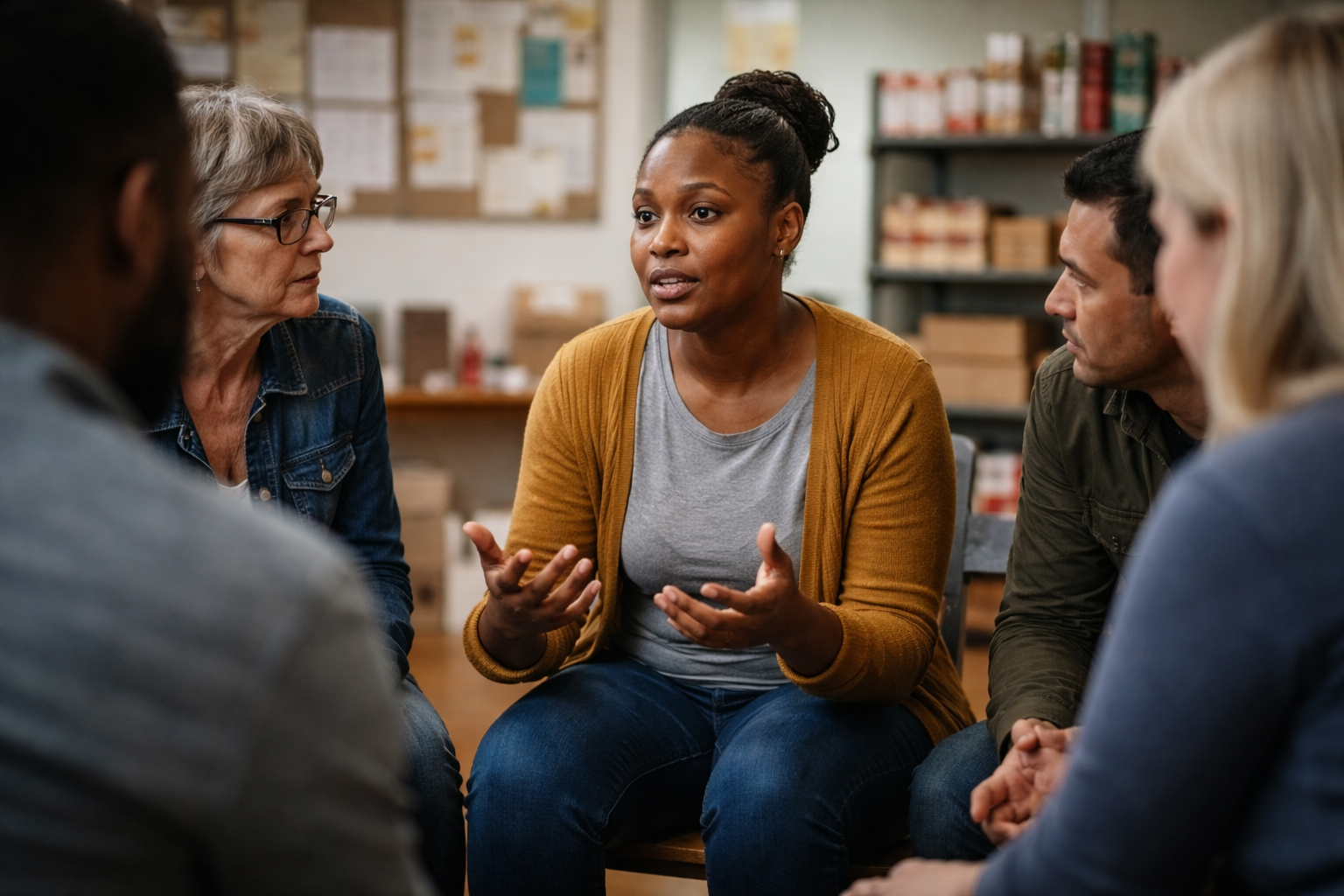
This is where lived experience becomes essential. People who have navigated poverty understand not just the presence of barriers, but how they function in real life. They know where systems break down, where assumptions fail, and where unintended consequences emerge. Yet their voices are often absent from the spaces where decisions are made. When policies and programs are designed without lived experience, they risk missing the mark or causing harm, despite good intentions.
Centering lived experience changes the conversation. It shifts the focus away from deficit narratives and toward understanding, dignity, and possibility. People experiencing poverty are often portrayed only in terms of what they lack, while their resilience, problem-solving, and leadership are overlooked. In reality, navigating scarcity requires constant decision-making, creativity, and strength. Recognizing this does not minimize hardship. It acknowledges expertise that already exists.
Experiential learning offers one way to bridge the gap between systems and lived reality. When people are invited to step into complex scenarios, hear firsthand stories, or reflect on the tradeoffs others face, understanding deepens. These experiences do not provide simple answers, but they do disrupt assumptions and create space for empathy and accountability. They help move conversations from abstraction to action.
Addressing poverty requires more than awareness. It requires a willingness to rethink how systems are designed and who is included in shaping them. When lived experience is treated as essential knowledge rather than supplemental insight, solutions become more grounded and effective. Policies become more responsive. Programs become more accessible. Trust begins to grow.
If we want different outcomes, we need different voices leading the work. Poverty is not inevitable. It is shaped by choices at every level. By understanding how systems operate and centering the wisdom of those most affected, we can begin to make choices that move communities toward stability, dignity, and lasting change.